
How Bench Warrants Work in Brantley County
Georgia judges issue a bench warrant out of a case already on the docket, and state paperwork sometimes calls it an order for arrest after a missed hearing. Skipping a required appearance, ignoring a court condition, or letting a citation slide can each trigger one. The order tells law enforcement to bring the person before the judge so the unresolved obligation gets addressed. Brantley County publishes no countywide bench-warrant list online, so a blank search proves nothing. Find the case number instead, then call the court that set the obligation. The Brantley County Sheriff's Office can confirm whether a warrant is active right now. A clerk will walk you through filing and scheduling steps, but a clerk cannot give legal advice on your case.
Brantley County Bench Warrant Missed Dates
A missed court date in Brantley County calls for the paperwork first. Pull the citation, notice, bond paper, or prior filing. Write down the court's exact name, the case or citation number, the date you were due, and the charge. Then call that court before you drive anywhere, and ask whether the case was reset, marked as a failure to appear, or sent to a judge for a bench warrant. Paying the amount printed on an old notice does not necessarily recall the warrant.
- Gather the citation or case number, your name as filed, and the missed date.
- Ask the issuing clerk for the current docket status and recall or reset procedure.
- Ask whether a personal appearance, motion, attorney filing, payment, or bond is required.
- After acting, obtain confirmation that the judge entered a recall or other disposition.
Note: Calling or appearing may have custody consequences when a warrant is active; consider speaking with a Georgia lawyer before an in-person visit.
Bench Warrant Issuance in Brantley County
In Brantley County, issuance belongs to the judge alone, never to the sheriff or a payment vendor. When a setting is missed, the clerk records it. The file then moves under whatever procedure fits that case. Official Georgia misdemeanor-citation materials say a failure to appear can produce a bench warrant. They make no promise of an advance warning. The sequence turns on the court, the case type, and orders already on file. The public docket may show the scheduled setting, the failure-to-appear entry, a warrant-issued field, service, and a later recall or disposition. Some of that stays sealed or never reaches the online view. Ask for the current entry rather than reading an old docket. Only the issuing judge or the court's own process can quash or recall the warrant.
Brantley County Bench Warrant Record Fields
Keep two things apart in a Brantley County warrant check. One is the court event itself; the other is what law enforcement did afterward. The field map here comes from official Georgia citation materials, and it works as a request checklist, not as a stand-in for a certified record.
Case or citation number pins down the underlying file, far better than a name alone. Court setting gives the required date, time, and place, plus any continuance. FTA event marks when the court logged the failure to appear. Warrant issued or served separates the judge's issuance from execution by law enforcement. Recall, quash, or disposition records a later court action that the Brantley County custodian must confirm.
Share only what the Brantley County office actually needs. Birth dates, addresses, license numbers, and physical descriptions should not be republished just because a form might carry them.
How Bench and Arrest Warrants Differ
Both kinds of warrant can put a person in custody. A Brantley County bench warrant grows out of a case already in court, while an arrest warrant starts from a new criminal matter. The label matters. It points to the office and record series most likely to answer your next question.
| Process | Usual basis | Best record route |
|---|---|---|
| Bench warrant | Missed appearance or unmet duty in a pending case | Issuing court docket and clerk |
| Arrest warrant | Judicial probable-cause finding tied to an alleged offense | Issuing court records and Sheriff confirmation |
| Summons | Command to appear without the same arrest authority at issuance | Court named on the document |
For either type in Brantley County, today's answer from the issuing court matters more than a copied or outdated record. Confirm status with the court directly.
Brantley Court Routing
The Brantley County Courts directory lists separate contacts for the Clerk of Superior Court, Probate Court, and Magistrate Court. The Clerk of Superior Court sits at 234 Brantley Street, Suite 200, Nahunta, phone 912-462-5635. Magistrate Court occupies Suite 300 at the same street address and answers at 912-462-6780. Sharing a building does not make the offices interchangeable. A Nahunta municipal citation or ordinance matter belongs to Nahunta Municipal Court, which runs through City Hall at 9911 Main Street North, 912-462-5631. The city charter calls it the Mayor's Court, a label for the same city function rather than a second county court. Hoboken publishes no court portal, so start at City Hall, 537 Palm Street, 912-458-2171.
Clearing a Bench Warrant in Brantley County
Clearing a bench warrant in Brantley County goes back to the court that issued it. You may need to request a new setting. A written motion, a court appearance, an authorized payment, or posting bond can each play a part. The county publishes no recall form, set bond schedule, amnesty program, or promise of clearance by phone. Never quote an invented amount. And no one can guarantee that a clerk removes a warrant in a single call.
- Confirm the court and current status with the case or citation number.
- Ask what that court accepts for a recall request and whether counsel may file.
- Follow the court’s stated payment, appearance, or bond instructions.
- Ask for a file-stamped order, receipt, or other official proof of outcome.
- Recheck with the court and, when appropriate, the Sheriff’s Office.
Note: Payment alone is not proof of recall. Confirm that the judge or issuing court changed the warrant status.
Open Records Without Guesswork
An open records request asks for a record that already exists. No office has to build a countywide warrant search on demand. Under the Georgia Open Records Act request process, identify the agency, one record category, a date range, and a case or citation number if you know it. Ask for electronic copies or inspection. Request the non-exempt portions too, plus a written basis for anything withheld. The official Open Government FAQ explains the timing, fees, and redaction rules that apply to a Brantley County request:
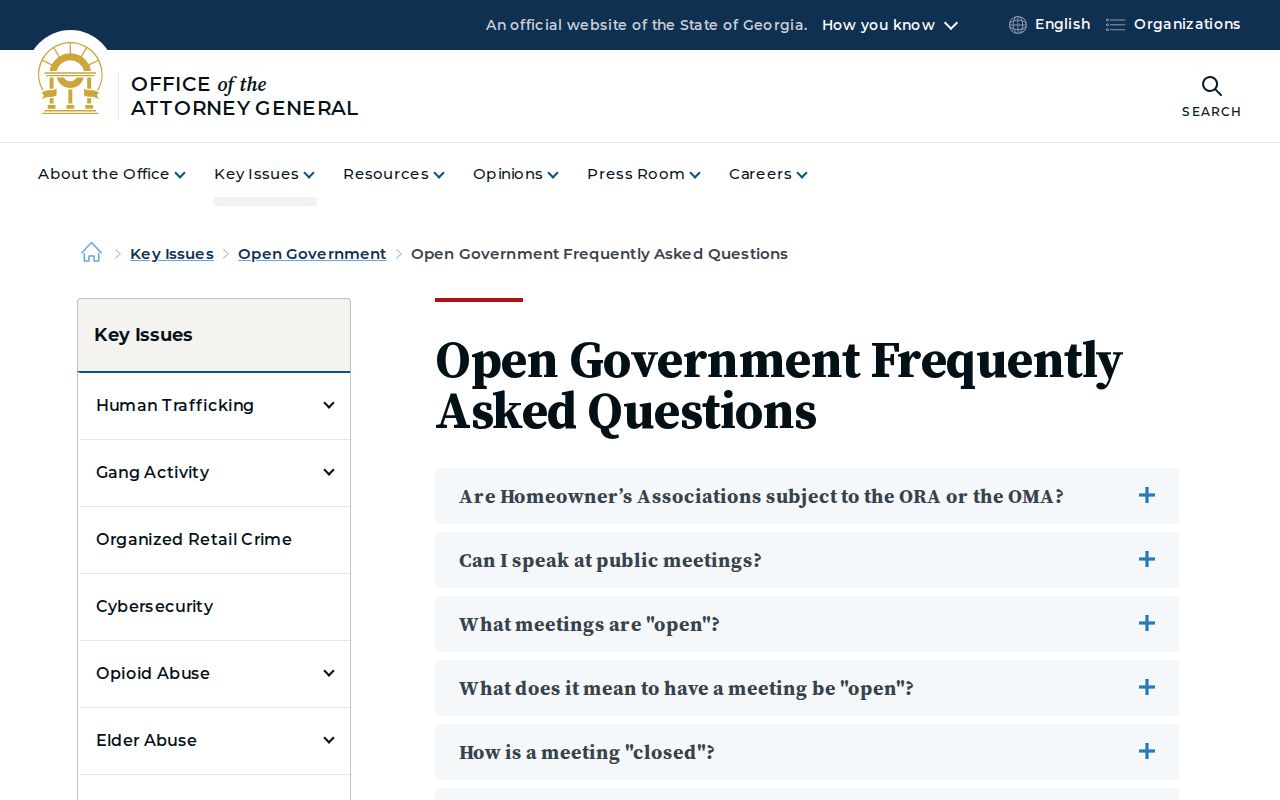
A blank result proves nothing either way. In Brantley County, a focused request for one docket entry or warrant return works far better than a demand for every warrant an agency holds. Only the issuing court can confirm the status.
Brantley County Courts That Issue Bench Warrants
Originating paperwork tells you which court to call. Superior Court handles felonies and other matters within its Waycross Judicial Circuit jurisdiction. Magistrate Court runs its own criminal process. Probate Court has defined jurisdiction, and municipal or Mayor's courts take city ordinance and traffic cases. Juvenile records carry special confidentiality limits. Georgia's court navigation resource explains how the separate levels work. A Brantley County bench warrant comes from one of these courts, never from the Sheriff. The Sheriff may serve the paper, but service gives that office no power to alter the judge's order. So ask the court about recall and the Sheriff about law-enforcement status. Brantley Superior Court e-access may show filed case information through a provider account. It is not a complete or real-time warrant clearance.
Confirm the Final Brantley Status
Keep a log of every contact you make. Record the office, the date, the case number, staff instructions, payment or filing receipts, and any order that resolves the warrant. A recall is only as good as its paperwork. If a Brantley County court says the bench warrant was recalled, ask when that order was entered and whether law-enforcement systems have been updated. "Paid," "served," and "recalled" are not the same thing. Conflicting answers deserve a push. Hand the order to the issuing clerk and ask which office can reconcile the record. The safest outcome is an official record from the Brantley County court that issued the warrant, backed by current confirmation whenever law-enforcement status matters.